
Years
2022 in History
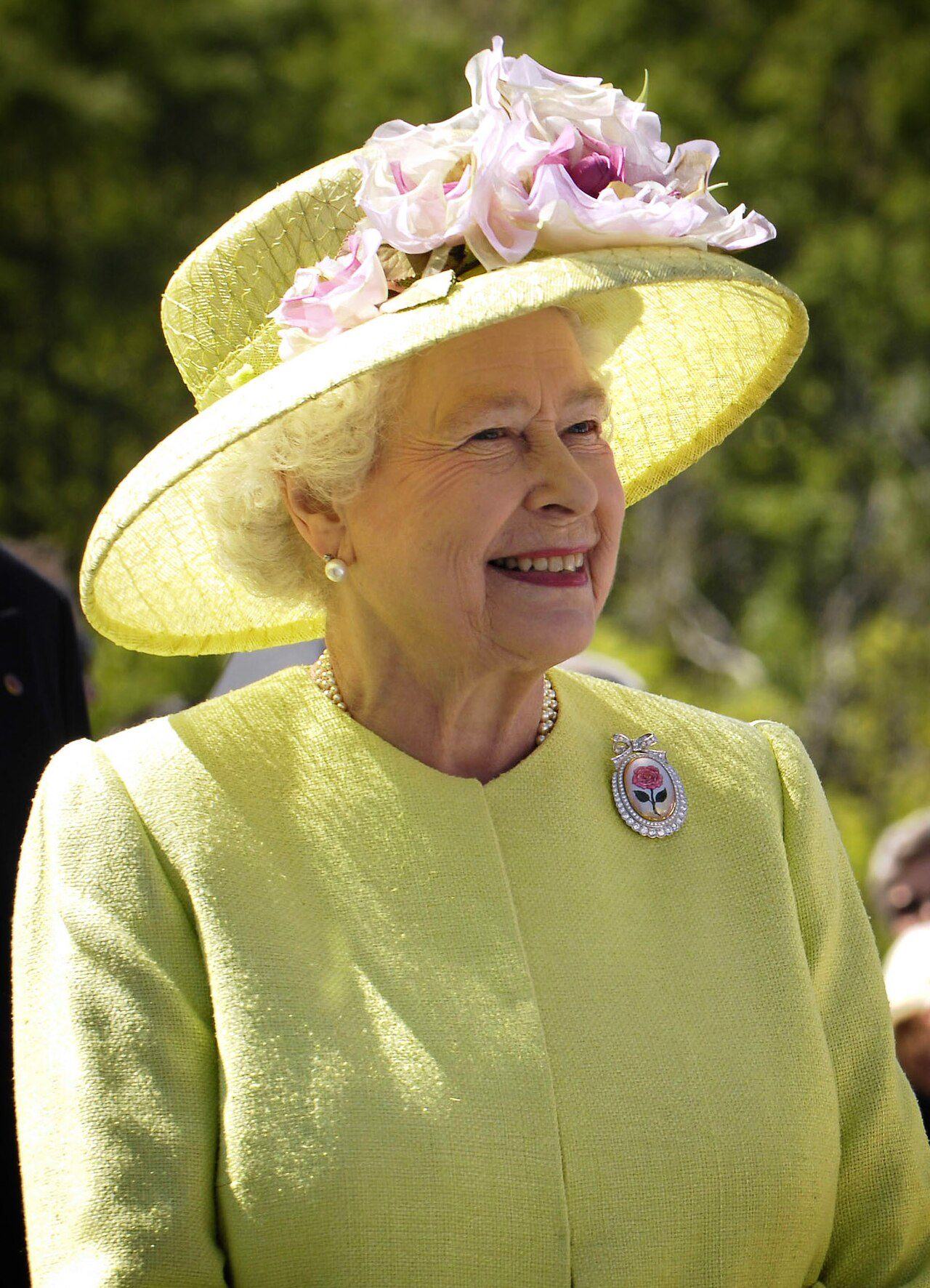
2022 closed two eras. On 24 February Russia launched a full-scale invasion of Ukraine, beginning the largest war in Europe since 1945. On 8 September Queen Elizabeth II died at Balmoral, aged 96, ending a reign of 70 years and 214 days — the longest of any British monarch — and her eldest son succeeded her as Charles III. Between those poles the United States Supreme Court overturned Roe v. Wade, Mikhail Gorbachev died, and OpenAI released ChatGPT, bringing generative artificial intelligence to a mass public within weeks.
At a Glance
- Defining event
- Russia launches a full-scale invasion of Ukraine on 24 February — the largest war in Europe since 1945
- The end of an era
- Elizabeth II dies at Balmoral on 8 September, aged 96, after a reign of 70 years and 214 days
- The succession
- Charles III becomes king at the moment of his mother's death; his accession is proclaimed on 10 September
- The ruling
- The Supreme Court, in Dobbs v. Jackson on 24 June, overturns Roe v. Wade and ends the constitutional right to abortion
- The arrival
- OpenAI releases ChatGPT on 30 November; generative AI reaches a mass public within weeks
- Closed the year
- Pelé, three-time World Cup winner, dies on 29 December; Argentina had won the World Cup final on 18 December
The defining story: the year two eras ended
On 24 February 2022 Russia launched a full-scale invasion of Ukraine, beginning the largest war in Europe since 1945. The war that had begun in Crimea and the Donbas in 2014 — the seizure this site's 2014 page records — became a continental conflict in a morning: armoured columns on the roads to Kyiv and missiles on its cities. In May the Palestinian American journalist Shireen Abu Akleh was killed while reporting on an Israeli military raid in the West Bank city of Jenin. In September Mahsa Amini died in Tehran after her arrest by Iran's morality police, sparking months of nationwide protest. The invasion's author had expected a short war; the year ended with the war still raging and Europe's post-Cold War order — the one whose breaking 2014 announced — buried under it.
The year's other ending was peaceful, planned and total. Elizabeth II had come to the throne on 6 February 1952, a 25-year-old in Kenya who learned of her father's death at a safari lodge; she was crowned in 1953 in the first coronation shown on television. When she died at Balmoral on 8 September 2022 she had reigned for 70 years and 214 days — longer than any British monarch, longer than Queen Victoria by seven years, and longer than any queen regnant anywhere in recorded history. Fifteen prime ministers had served under her, from Winston Churchill to Liz Truss, whom she had appointed, frail and smiling, at Balmoral just two days before her death. On the morning of 8 September the palace announced that the Queen was under medical supervision and her doctors were concerned; she died peacefully at 3:10 in the afternoon, the death certificate giving the cause simply as old age. The succession was instantaneous: the moment she died, Charles was king. He took the name Charles III, addressed the nation the next day, and was formally proclaimed by the Accession Council on 10 September. The coffin's journey from Balmoral to Edinburgh and then to London, the lying-in-state in Westminster Hall past which an estimated quarter of a million people filed, and the state funeral at Westminster Abbey on 19 September closed an eleven-day national liturgy of mourning on a scale Britain had not staged since 1965.
Between invasion and funeral, the year's other courts and markets moved fast. On 24 June the United States Supreme Court, in Dobbs v. Jackson, overturned Roe v. Wade and ended the constitutional right to abortion — a half-century of precedent reversed in a morning. On 30 August Mikhail Gorbachev, the last leader of the Soviet Union, whose reforms ended the Cold War and his own state, died at 91 — in the year his successor-but-one in the Kremlin undid the settlement Gorbachev had made possible. Liz Truss became prime minister of the United Kingdom on 6 September, two days before the Queen's death. On 28 October Elon Musk completed his $44 billion takeover of Twitter, taking control of the social media platform.
And on 30 November, almost unnoticed beside the war and the mourning, OpenAI released ChatGPT, the conversational AI whose arrival brought generative artificial intelligence to a mass public within weeks. The year's final sporting entry belonged to an older magic: on 18 December Argentina beat France on penalties in the World Cup final in Qatar, a 3–3 classic widely called the greatest final ever played. Eleven days later Pelé — Brazilian footballer, three-time World Cup winner and the most famous player of the twentieth century — died, and on 30 December Barbara Walters, who redefined the television interview, died at 93. The year that began with Sidney Poitier's death on 6 January, the first Black winner of the Academy Award for Best Actor, ended by burying the kings of two games and the queen of an age.
Timeline of 2022
- 6 January
Sidney Poitier, Bahamian-American actor, the first Black winner of the Academy Award for Best Actor, dies.
- 24 February
Russia launches a full-scale invasion of Ukraine, beginning the largest war in Europe since 1945.
- 11 May
Palestinian American journalist Shireen Abu Akleh is killed while reporting on an Israeli military raid in the West Bank city of Jenin.
- 24 June
The United States Supreme Court, in Dobbs v. Jackson, overturns Roe v. Wade and ends the constitutional right to abortion.
- 30 August
Mikhail Gorbachev, last leader of the Soviet Union, whose reforms ended the Cold War and his own state, dies at 91.
- 6 September
Liz Truss becomes prime minister of the United Kingdom, succeeding Boris Johnson.
- 8 September
Queen Elizabeth II dies at Balmoral and Charles III succeeds her.
- 16 September
Mahsa Amini dies in Tehran after her arrest by Iran's morality police, sparking months of nationwide protest.
- 28 October
Elon Musk completes his $44 billion takeover of Twitter, taking control of the social media platform.
- 30 November
OpenAI releases ChatGPT, the conversational AI whose arrival brings generative artificial intelligence to a mass public within weeks.
- 18 December
Argentina beats France on penalties in the World Cup final in Qatar, a 3–3 classic widely called the greatest final ever played.
- 29 December
Pelé, Brazilian footballer, three-time World Cup winner and the most famous player of the twentieth century, dies.
Why 2022 still matters
The invasion of Ukraine is the year's heaviest fact and its longest shadow: it restored mass warfare to Europe, redrew the continent's alliances and energy map, and set a conflict whose end is not yet written. Its roots in this site's record run through 2014 — the Crimean referendum under occupation — which is why 2022 reads as the second act of a play that opened eight years earlier. Gorbachev's death in August, in the middle of that war, gave the year its bitterest symmetry: the man who ended the Cold War without firing its final shot died while his settlement was being destroyed by invasion.
Elizabeth II's death closed a span that had covered the whole second half of the British twentieth century and the first fifth of the twenty-first: the end of empire, the Cold War, Britain's entry into and exit from Europe, and the transformation of the Commonwealth from an imperial system into a voluntary association of 56 nations. She had been head of state for 15 realms at her death. For the great majority of people alive in those realms she was the only monarch they had ever known — which is why 8 September felt, even to republicans, like the end of an era rather than merely the death of a very old, very dutiful woman.
The quietest entry may prove the most consequential. ChatGPT's release on 30 November brought generative AI to a mass public within weeks — the technology left the laboratory and entered homework, offices and arguments in a single season, beginning the argument about machine intelligence that has run ever since. Dobbs, meanwhile, re-settled American law on abortion by unsettling it, returning the question to fifty state legislatures. A year that buried a 70-year reign and a Cold War ended, fittingly, by opening the century's next argument.
2022 on The History Trail
An invasion, a farewell, and a chatbot: 2022 on The History Trail.
- September 8 in History — The death of Elizabeth II — the year's featured story, told in full.
- February 24 in History — Russia launches a full-scale invasion of Ukraine.
- November 30 in History — OpenAI releases ChatGPT.
- December 18 in History — Argentina beats France on penalties in the World Cup final in Qatar.
- June 24 in History — The Supreme Court overturns Roe v. Wade in Dobbs v. Jackson.
- August 30 in History — Mikhail Gorbachev dies at 91.
Sources
- Encyclopaedia Britannica — On This Day: September 8
- HISTORY — This Day in History: February 24
- Encyclopaedia Britannica — On This Day: November 30
- Encyclopaedia Britannica — On This Day: December 18
- Encyclopaedia Britannica — On This Day: June 24
- Encyclopaedia Britannica — On This Day: August 30
The facts on this page were checked against these sources on 19 November 2026. The History Trail's permanent pages are researched and written for this site; the live profiles elsewhere on The History Trail are assembled automatically from Wikipedia and Wikidata.
About the Author
Researched and written by the The History Trail Editorial Team — the accountable editorial function behind this site's permanent story pages. The team works from the published sources cited on each page; it does not invent historians, reviewers or credentials, and it corrects errors openly.
Fact Check
Every load-bearing fact on this page traces to one of the sources listed above, and significant claims link to their source in the text. Our checking method is described on the methodology page; errors can be reported via the corrections page.
Sources & Citations
Cite this page as: The History Trail Editorial Team, The History Trail — this article's title, publication and update dates are shown beneath its headline. The full source list appears under Sources above; the site's source standards are on the sources page.