
Years
1913 in History
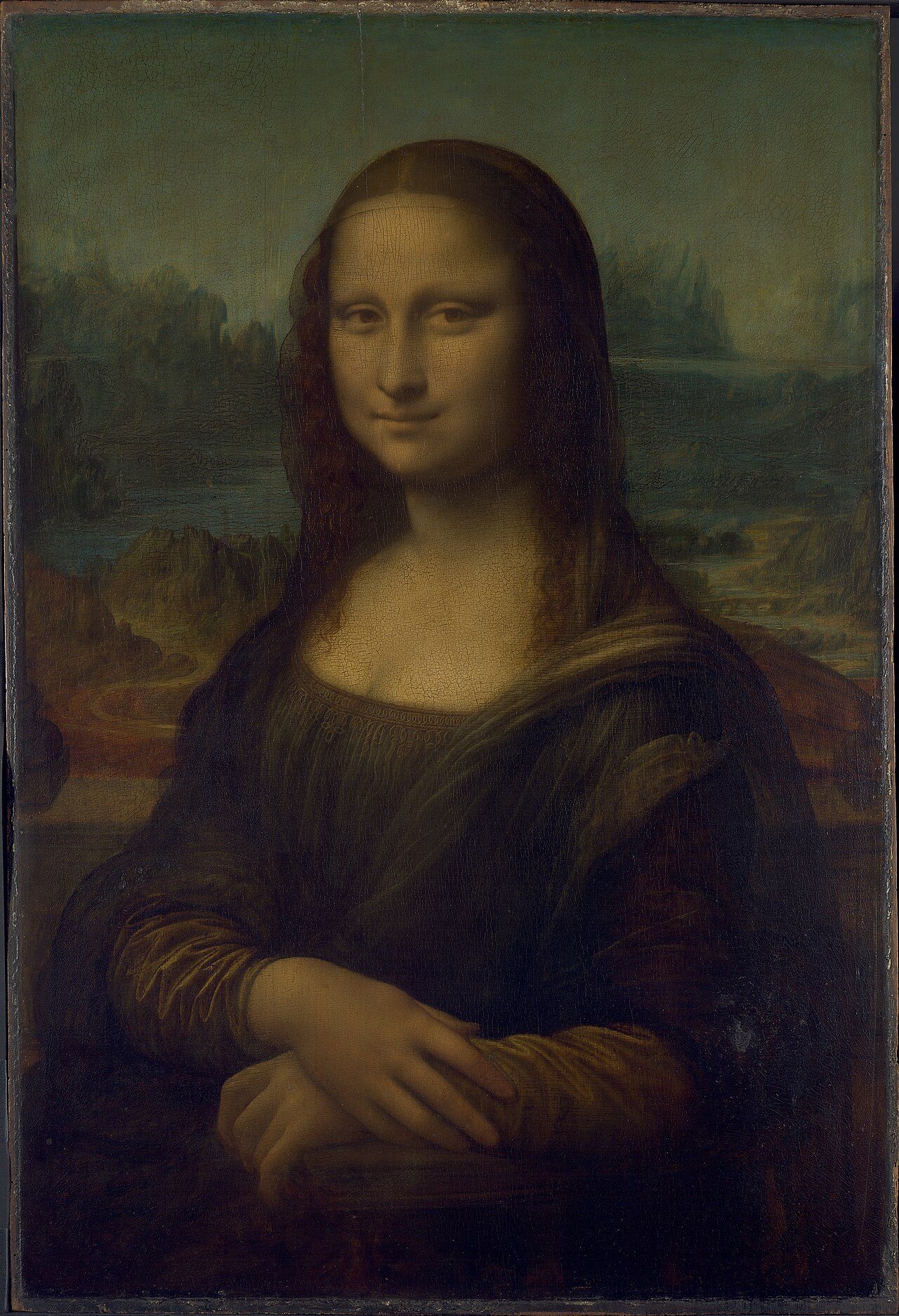
1913 is remembered as the year the United States rebuilt its own machinery: the Sixteenth Amendment empowered a federal income tax, the Seventeenth provided for the direct election of senators, and in December Woodrow Wilson signed the Federal Reserve Act. The same year Ford's moving assembly line transformed industry, the Rite of Spring scandalised Paris, and the stolen Mona Lisa came home.
At a Glance
- Defining event
- The Federal Reserve Act is signed on 23 December 1913, creating the Federal Reserve System as America's central bank
- The tax amendment
- The Sixteenth Amendment is ratified on 3 February, giving the federal government the power to levy an income tax
- The Senate amendment
- The Seventeenth Amendment is ratified on 8 April, providing for the direct election of senators by the people
- Industry transformed
- Ford's moving assembly line at Highland Park cuts the time to build a Model T chassis from over twelve hours to about an hour and a half
- Art scandalised
- Stravinsky's Rite of Spring premieres in Paris on 29 May, provoking uproar in the audience
- The painting returns
- The Mona Lisa, stolen from the Louvre in 1911, is recovered in Florence on 12 December
The defining story: a state rebuilt in one year
Few years have amended a constitution twice and founded a central bank between spring and Christmas. On 3 February 1913 the Sixteenth Amendment to the United States Constitution was ratified, giving the federal government the power to levy an income tax; it took legal effect on 25 February. On 8 April the Seventeenth Amendment was ratified, providing for the direct election of senators by the people rather than by state legislatures. And on 23 December President Woodrow Wilson signed the Federal Reserve Act, creating the Federal Reserve System as the central bank of the United States. Taxation, representation and money — the three load-bearing walls of the modern American state — were all rebuilt in a single year, by amendment and statute, without a shot fired.
Wilson's Washington was also inventing the modern presidency's theatre: on 15 March he held the first regular presidential press conference. Abroad, the old world's account was bloodier. The Treaty of London, signed on 30 May, ended the First Balkan War — a settlement that held only weeks before the Balkan states fought again. On 18 March George I of Greece, his country's king for fifty years, was assassinated at Thessaloniki. On 31 March J. P. Morgan, the banker whose firm had financed railroads, steel and the United States government itself, died in Rome at 75 — the banker whose firm had financed railroads, steel and the United States government itself expiring in the year a public central bank was created.
Industry supplied the year's most imitated invention. Ford's first moving assembly line began work at Highland Park on 7 October, and on 1 December Ford switched on the first moving assembly line for the mass production of a whole automobile there, cutting the time to build a Model T chassis from over twelve hours to about an hour and a half. The car of 1908 had met the production system that would define the century: work brought to the worker, minutes collapsing into seconds, and prices following time downward.
Culture, characteristically, answered with a riot and a recovery. On 29 May Stravinsky's ballet The Rite of Spring premiered in Paris, provoking uproar in the audience; in February the Armory Show had opened in New York, introducing American audiences to modern art, from Duchamp to Matisse, to outrage and fascination. And on 12 December the year's most famous object came home: Leonardo's Mona Lisa, stolen from the Louvre two years earlier, was recovered in Florence, where the thief Vincenzo Peruggia had tried to sell it — the theft, as this site's Mona Lisa record argues, being what sealed the painting's modern celebrity.
Timeline of 1913
- 2 February
Grand Central Terminal opens in New York City, the largest railway station in the world at the time.
- 3 February
The Sixteenth Amendment is ratified, giving the U.S. federal government the power to levy an income tax.
- 17 February
The Armory Show opens in New York, introducing American audiences to modern art.
- 10 March
Harriet Tubman, who led some 70 enslaved people to freedom on the Underground Railroad, dies.
- 8 April
The Seventeenth Amendment is ratified, providing for the direct election of senators by the people.
- 29 May
Stravinsky's ballet The Rite of Spring premieres in Paris, provoking uproar in the audience.
- 30 May
The Treaty of London ends the First Balkan War.
- 4 June
Suffragette Emily Davison steps in front of the king's horse at the Derby at Epsom and is fatally injured, dying four days later.
- 7 October
Ford's first moving assembly line begins work at Highland Park.
- 10 October
President Wilson presses a telegraph key to detonate the Gamboa Dike, flooding the Panama Canal's Culebra Cut.
- 1 December
Ford switches on the first moving assembly line for the mass production of a whole automobile, cutting chassis time to about an hour and a half.
- 12 December
The Mona Lisa, stolen from the Louvre two years earlier, is recovered in Florence.
- 21 December
The first crossword puzzle is published in the New York World.
- 23 December
President Wilson signs the Federal Reserve Act, creating the Federal Reserve System.
Why 1913 still matters
The American state that fought two world wars and built the New Deal was substantially designed in 1913. The income tax gave Washington a revenue that grew with the economy; direct election made the Senate answerable to voters rather than legislatures; the Federal Reserve gave the republic a central bank of its own. That all three arrived within ten months, under a president in his first year, makes 1913 the most consequential year of American institutional design between the Civil War amendments and the New Deal.
Ford's line mattered as much to everyone else. The moving assembly line transformed car production and industry generally, as the year's record puts it: the Highland Park system — chassis time cut from over twelve hours to about ninety minutes — became the template every manufacturer on Earth had to answer. Between the Federal Reserve's management of money and Ford's management of motion, 1913 installed the operating system of the managed century.
It remains, finally, the last full year of the old world. The Balkan settlement failed within weeks, Emily Davison died under the king's horse at Epsom in June in the suffrage struggle's most famous martyrdom, and the Mona Lisa toured Italy to huge crowds before going home to a Louvre that would soon be emptying its walls for war. Nobody in December 1913, signing banking acts and solving the first crossword, knew they were living in the antechamber of 1914 — which is precisely what makes the year worth reading closely.
1913 on The History Trail
America's institutional rebuild leads this year on The History Trail, with Ford's assembly line, the Rite of Spring and a recovered masterpiece.
- December 23 in History — Wilson signs the Federal Reserve Act, creating America's central bank.
- February 3 in History — The Sixteenth Amendment is ratified, empowering the federal income tax.
- April 8 in History — The Seventeenth Amendment provides for the direct election of senators.
- December 1 in History — Ford's moving assembly line begins mass production of a whole automobile.
- May 29 in History — The Rite of Spring premieres in Paris, to uproar.
- December 12 in History — The stolen Mona Lisa is recovered in Florence.
- Mona Lisa — The portrait Leonardo never gave away, whose theft and recovery made it the world's most famous painting.
Sources
- Encyclopaedia Britannica — On This Day: December 23
- Encyclopaedia Britannica — On This Day: February 3
- Encyclopaedia Britannica — On This Day: April 8
- Encyclopaedia Britannica — On This Day: December 1
- Encyclopaedia Britannica — On This Day: October 7
- HISTORY — This Day in History: May 29
- Encyclopaedia Britannica — On This Day: December 12
- Encyclopaedia Britannica — On This Day: February 17
The facts on this page were checked against these sources on 19 November 2026. The History Trail's permanent pages are researched and written for this site; the live profiles elsewhere on The History Trail are assembled automatically from Wikipedia and Wikidata.
About the Author
Researched and written by the The History Trail Editorial Team — the accountable editorial function behind this site's permanent story pages. The team works from the published sources cited on each page; it does not invent historians, reviewers or credentials, and it corrects errors openly.
Fact Check
Every load-bearing fact on this page traces to one of the sources listed above, and significant claims link to their source in the text. Our checking method is described on the methodology page; errors can be reported via the corrections page.
Sources & Citations
Cite this page as: The History Trail Editorial Team, The History Trail — this article's title, publication and update dates are shown beneath its headline. The full source list appears under Sources above; the site's source standards are on the sources page.