
Years
1868 in History
1868 put an American president on trial and rewrote the Constitution in the same season. The House voted on 24 February to impeach Andrew Johnson — the first impeachment of a president — and the Senate acquitted him by a single vote. In July the Fourteenth Amendment was ratified and certified, guaranteeing citizenship and equal protection to all persons born or naturalised in the United States. Japan, meanwhile, turned from Edo to Tokyo as the emperor's city.
At a Glance
- Defining event
- Impeachment of President Andrew Johnson — acquitted by one vote, May 1868
- Citizenship remade
- Fourteenth Amendment ratified 9 July and certified 28 July
- The trial opens
- Johnson's Senate impeachment trial opens, 5 March, the first in American history
- A keyboard arrives
- Sholes, Soule and Glidden patent the typewriter, 23 June, bringing QWERTY into the world
- An element from the Sun
- Helium observed in the Sun's spectrum during an eclipse in India, 18 August
- Closed the year
- Johnson proclaims a full pardon and amnesty for Confederates, 25 December
The defining story: one vote
The American Civil War had ended in 1865, but its settlement was still being fought in Washington. On 24 February 1868 the House of Representatives voted to impeach President Andrew Johnson, making him the first American president to be impeached, and on 5 March his trial opened in the Senate — the first presidential impeachment trial in the country's history. The question beneath the charges was who would govern Reconstruction: the president who had inherited Lincoln's office, or the Congress determined to remake the South.
The verdict came as close as a verdict can. On 16 May the Senate voted 35 to 19 to acquit — a single vote short of the two-thirds needed to convict — and on 26 May the trial ended with Johnson still in office. The presidency had survived its first impeachment, and the precedent was set that removal would demand more than a partisan majority. On Christmas Day Johnson closed the argument his way, proclaiming, unconditionally and without reservation, a full pardon and amnesty for all who had taken part in the Confederate rebellion.
While the trial ran, the Constitution itself was being enlarged. On 9 July the Fourteenth Amendment was ratified, guaranteeing citizenship and equal protection of the laws to all persons born or naturalised in the United States, and on 28 July it was certified as part of the Constitution. Few sentences in American law have been argued over more, or reached further, than the ones certified that summer.
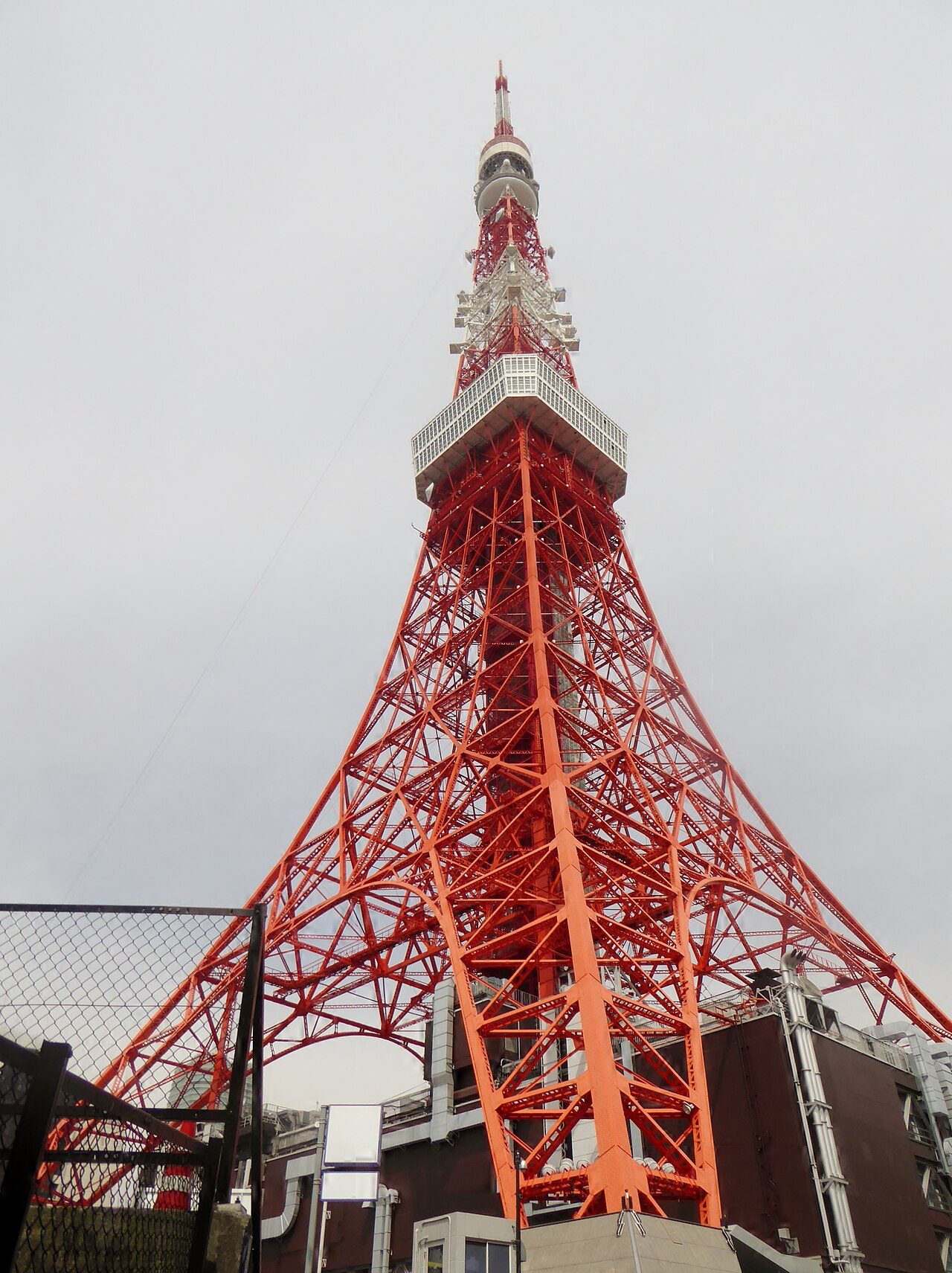
The rest of the year ranged widely. On 4 May the Kuthodaw Pagoda in Mandalay was completed, housing the world's largest book — 729 marble tablets inscribed with Buddhist scripture. On 30 May Decoration Day, the forerunner of Memorial Day, was observed nationally for the first time, honouring the Civil War dead. On 23 June Christopher Latham Sholes, Samuel Soule and Carlos Glidden received their typewriter patent, the machine that brought the QWERTY keyboard into the world, and on 18 August, watching a total solar eclipse in India, Pierre Janssen observed the spectral line of a new element: helium, found in the Sun before it was found on Earth. In Japan, Edo became Tokyo — the eastern capital — as the emperor moved there in 1868, the renaming the Tokyo record files at the opening of the Meiji age.
Timeline of 1868
- 23 February
W. E. B. Du Bois, American sociologist and author of The Souls of Black Folk, is born.
- 24 February
The U.S. House of Representatives votes to impeach President Andrew Johnson, the first impeachment of an American president.
- 5 March
Johnson's impeachment trial opens in the U.S. Senate.
- 28 March
Maxim Gorky, Russian novelist and playwright, is born.
- 4 May
The Kuthodaw Pagoda in Mandalay is completed, housing the world's largest book on 729 marble tablets.
- 16 May
The U.S. Senate acquits President Johnson by a single vote, 35 to 19.
- 18 May
Nicholas II, the last tsar of Russia, is born.
- 26 May
Johnson's impeachment trial ends in acquittal by one vote.
- 30 May
Decoration Day, the forerunner of Memorial Day, is observed nationally in the United States for the first time.
- 14 June
Karl Landsteiner, who discovered the human blood groups and made transfusion safe, is born.
- 23 June
Sholes, Soule and Glidden receive a patent for their typewriter, bringing the QWERTY keyboard into the world.
- 9 July
The Fourteenth Amendment is ratified, guaranteeing citizenship and equal protection of the laws.
- 28 July
The Fourteenth Amendment is certified as part of the U.S. Constitution.
- 18 August
Pierre Janssen observes the spectral line of helium during a total solar eclipse in India.
Why 1868 still matters
The one-vote acquittal fixed the working meaning of impeachment for more than a century: a constitutional weapon, not a parliamentary one, unusable without a consensus far beyond a bare majority. Every later presidential impeachment has been argued in the shadow of 1868's single vote. The Fourteenth Amendment outlasted the trial that shared its season — its citizenship and equal protection clauses became the foundation on which much of modern American rights law was later built.
The year's other legacies are quieter but daily. The typewriter patent of 23 June put QWERTY under the fingers of the world, where it remains on every phone screen. Decoration Day grew into Memorial Day. Helium, first seen in sunlight, turned out to be the universe's second commonest element, hiding in the Sun before anyone found it on Earth.
And the births of 1868 — Du Bois, Gorky, Landsteiner, Nicholas II and Scott Joplin among them — map the century to come: civil rights scholarship, revolutionary literature, safe transfusion, a fallen empire and a new American music. 1868 was Reconstruction's hinge year, when the United States decided, narrowly, both who could remove a president and who counted as a citizen.
1868 on The History Trail
An impeachment, an amendment and a new capital lead this year on The History Trail.
- February 24 in History — The House votes to impeach President Andrew Johnson.
- May 16 in History — The Senate acquits Johnson by a single vote.
- July 9 in History — The Fourteenth Amendment is ratified.
- June 23 in History — The typewriter is patented, and QWERTY enters the world.
- August 18 in History — Helium is observed in the Sun during an eclipse in India.
- Tokyo — Edo renamed Tokyo, the eastern capital, when the emperor moved there in 1868.
Sources
- HISTORY — This Day in History: February 24
- Encyclopaedia Britannica — On This Day: May 16
- HISTORY — This Day in History: July 9
- Encyclopaedia Britannica — On This Day: June 23
- https://editorialge.com/on-this-day-august-18/
- HISTORY — This Day in History: May 26
The facts on this page were checked against these sources on 19 November 2026. The History Trail's permanent pages are researched and written for this site; the live profiles elsewhere on The History Trail are assembled automatically from Wikipedia and Wikidata.
About the Author
Researched and written by the The History Trail Editorial Team — the accountable editorial function behind this site's permanent story pages. The team works from the published sources cited on each page; it does not invent historians, reviewers or credentials, and it corrects errors openly.
Fact Check
Every load-bearing fact on this page traces to one of the sources listed above, and significant claims link to their source in the text. Our checking method is described on the methodology page; errors can be reported via the corrections page.
Sources & Citations
Cite this page as: The History Trail Editorial Team, The History Trail — this article's title, publication and update dates are shown beneath its headline. The full source list appears under Sources above; the site's source standards are on the sources page.