
Years
2002 in History
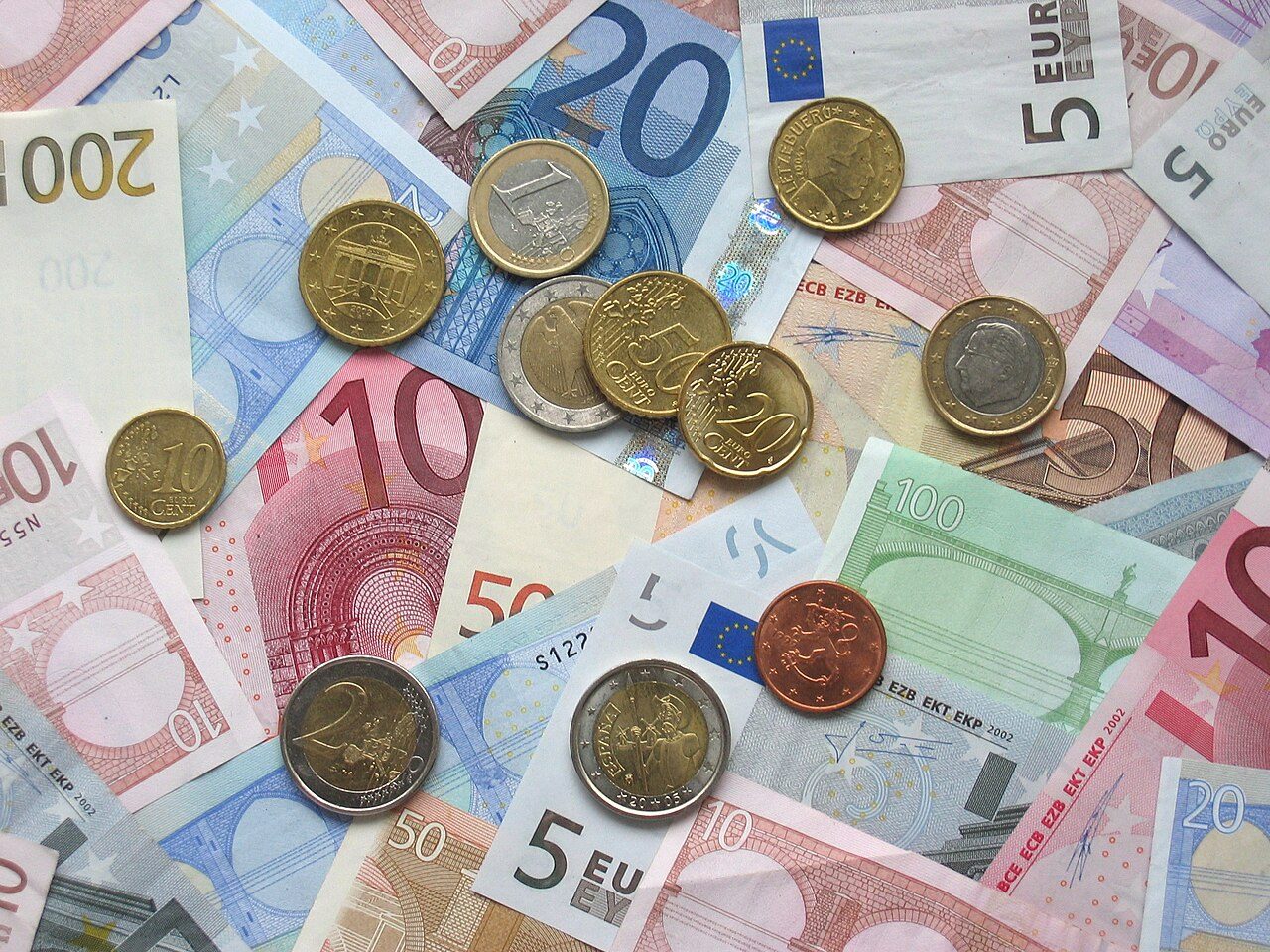
2002 is remembered above all for 1 January, when euro notes and coins entered everyday use across the eurozone and centuries-old currencies such as the franc, the mark and the lira began to disappear from people's pockets. The same year created the International Criminal Court, welcomed East Timor as the first new state of the twenty-first century, and set the legal course toward the invasion of Iraq.
At a Glance
- Defining event
- Euro notes and coins enter circulation, 1 January 2002
- New court
- International Criminal Court established, 1 July, as the Rome Statute enters into force
- New state
- East Timor becomes independent on 20 May, the first new state of the twenty-first century
- Road to war
- Congress authorises force against Iraq on 11 October, the basis later used for the 2003 invasion
- Opened the year
- First Guantanamo Bay detainees arrive from Afghanistan on 11 January
- Closed the year
- Moscow theatre siege in October leaves the year ending under the shadow of terrorism
The defining story: a new money for a continent
The euro had existed on paper since 1999, as figures in bank accounts and on screens, but on 1 January 2002 it became physical. Notes and coins entered circulation across the eurozone at once, replacing national currencies such as the franc, the mark and the lira in everyday use. The European Central Bank had coordinated an initial supply of roughly 15 billion banknotes and tens of billions of coins, distributed to banks and retailers months in advance, and within days the great majority of cash machines across the euro area were dispensing euros. After 28 February 2002 the euro was the sole currency of twelve member states, and the old currencies ceased to be legal tender. No changeover on this scale had ever been attempted.
Twelve countries had made the cash launch — the eleven first members of 1999 plus Greece, which joined in 2001. The design itself told the story of a shared project with national roots: the banknotes were identical everywhere, while each coin carried a common European side and a national side chosen by its issuing country. A currency designed by treaty and printing works had to survive contact with every shop, taxi and market stall in twelve countries at once — and largely did. What began that January as a logistical operation became, within weeks, simply the money in people's pockets.
The year's other great beginning pointed in a darker direction. On 11 January the first detainees arrived at the United States detention camp at Guantanamo Bay, Cuba, from the war in Afghanistan. On 29 January President George W. Bush described Iraq, Iran and North Korea as an 'axis of evil' in his State of the Union address. In February the former Yugoslav president Slobodan Milosevic went on trial for war crimes at The Hague, and on 1 July the International Criminal Court was established as the Rome Statute entered into force, creating a permanent court for war crimes and genocide — two faces of a world trying, and failing, to settle its conflicts by law.
By the autumn the argument over Iraq had hardened into law. On 11 October Congress granted President Bush broad authority to use military force against Iraq, the legal basis later used for the 2003 invasion — on the same day that former president Jimmy Carter was awarded the Nobel Peace Prize for decades of work promoting peace, democracy and human rights. Two weeks later armed Chechen rebels seized a Moscow theatre during a musical performance, taking some 800 people hostage. The year that had opened with a new currency and a new camp closed with the machinery of the next war already assembled.
Timeline of 2002
- 1 January
Euro notes and coins enter circulation, replacing national currencies such as the franc, the mark and the lira across the eurozone.
- 11 January
The first detainees arrive at the United States detention camp at Guantanamo Bay, Cuba, from the war in Afghanistan.
- 18 January
Sierra Leone's civil war is officially declared over, ending a conflict that killed an estimated 50,000 people and displaced some two million.
- 29 January
President George W. Bush describes Iraq, Iran and North Korea as an 'axis of evil' in his State of the Union address.
- 12 February
Former Yugoslav president Slobodan Milosevic goes on trial for war crimes at The Hague.
- 24 March
Halle Berry and Denzel Washington win the Academy Awards for best actress and best actor, the first time both leading awards go to Black performers.
- 4 April
Angola's government and the UNITA rebels sign the ceasefire that ends 27 years of civil war.
- 20 May
East Timor becomes independent, the first new state of the twenty-first century.
- 1 July
The International Criminal Court is established as the Rome Statute enters into force.
- 2 July
Steve Fossett lands in Australia to complete the first solo nonstop balloon flight around the world.
- 11 October
Congress grants President Bush broad authority to use military force against Iraq.
- 23 October
Armed Chechen rebels seize a Moscow theatre during a musical performance, taking some 800 people hostage.
Why 2002 still matters
The euro's cash launch remains the largest currency changeover ever carried out, and its success fixed the single currency as a daily fact of European life rather than a treaty abstraction. The notes were identical everywhere and the coins carried a national side, a compromise between unity and identity that hundreds of millions of people handled every day. The project whose legal basis lay in the Maastricht Treaty of 1992, and whose central bank had been established in Frankfurt in 1998, had passed its hardest practical test: ordinary people accepted the new money without a crisis.
The year's legal experiments cut both ways. The International Criminal Court gave the world a permanent tribunal for war crimes and genocide, and the Milosevic trial at The Hague showed a former head of state answering charges in person. Against that stood Guantanamo Bay, where detainees from the Afghan war arrived in January, and the October authorisation for force against Iraq, which led directly to the invasion of the following spring. Wars also ended in 2002 — in Sierra Leone in January and in Angola in April, after 27 years — and East Timor's independence on 20 May, after centuries of Portuguese rule and Indonesian occupation, showed statehood still being born. The year holds both stories at once: institutions built to outlast conflict, and decisions that guaranteed more of it.
2002 on The History Trail
The euro dominates this year on The History Trail, alongside the trials, treaties and turning points that led toward 2003.
- January 1 in History — Euro notes and coins enter circulation across the eurozone.
- January 11 in History — The first detainees arrive at Guantanamo Bay from the war in Afghanistan.
- February 12 in History — Slobodan Milosevic goes on trial for war crimes at The Hague.
- May 20 in History — East Timor becomes independent, the first new state of the century.
- July 1 in History — The International Criminal Court is established.
- October 11 in History — Congress authorises force against Iraq, and Jimmy Carter wins the Nobel Peace Prize.
- Euro — The single currency, from treaty design to the cash changeover of 2002.
Sources
- Encyclopaedia Britannica — On This Day: January 1
- HISTORY — What Happened on January 1
- Encyclopaedia Britannica — On This Day: January 11
- Encyclopaedia Britannica — On This Day: January 29
- Encyclopaedia Britannica — On This Day: February 12
- Encyclopaedia Britannica — On This Day: May 20
- Encyclopaedia Britannica — On This Day: July 1
- Encyclopaedia Britannica — On This Day: October 11
The facts on this page were checked against these sources on 19 November 2026. The History Trail's permanent pages are researched and written for this site; the live profiles elsewhere on The History Trail are assembled automatically from Wikipedia and Wikidata.
About the Author
Researched and written by the The History Trail Editorial Team — the accountable editorial function behind this site's permanent story pages. The team works from the published sources cited on each page; it does not invent historians, reviewers or credentials, and it corrects errors openly.
Fact Check
Every load-bearing fact on this page traces to one of the sources listed above, and significant claims link to their source in the text. Our checking method is described on the methodology page; errors can be reported via the corrections page.
Sources & Citations
Cite this page as: The History Trail Editorial Team, The History Trail — this article's title, publication and update dates are shown beneath its headline. The full source list appears under Sources above; the site's source standards are on the sources page.