
Years
1992 in History
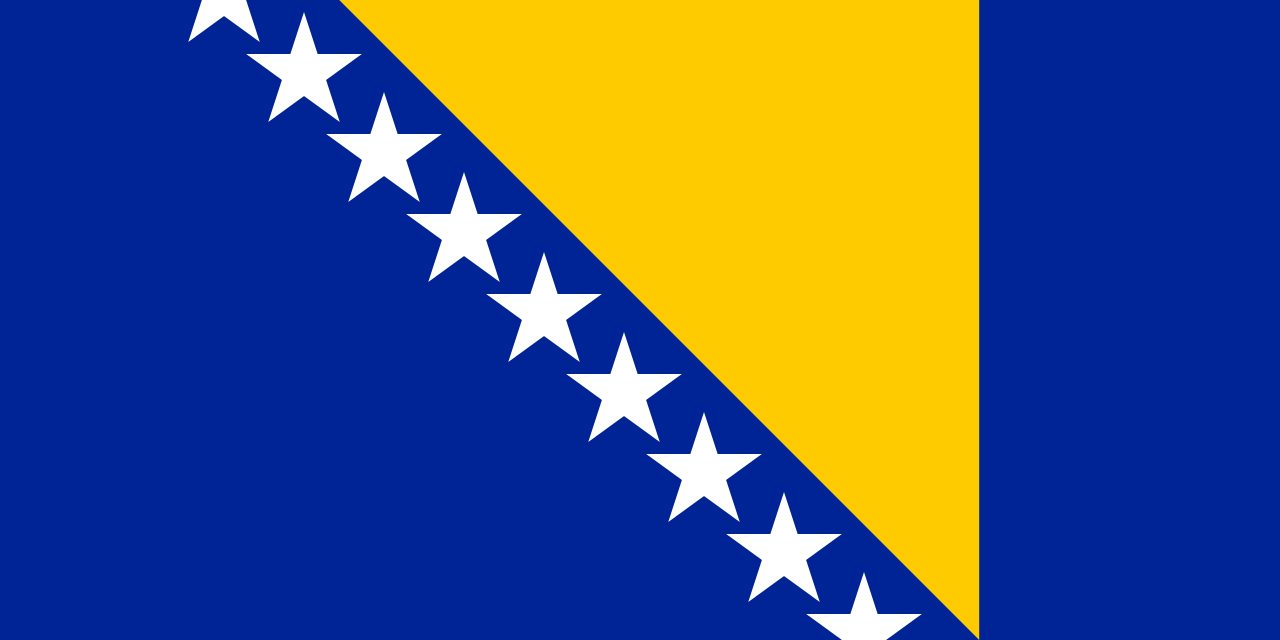
1992 is remembered for the leap-day referendum in which Bosnia and Herzegovina voted for independence from a collapsing Yugoslavia — a result proclaimed on 3 March, as war approached. The same year signed the Maastricht Treaty creating the European Union, saw white South Africans vote to end apartheid, and elected Bill Clinton president of the United States.
At a Glance
- Defining event
- Bosnia and Herzegovina's independence referendum opens, 29 February; independence proclaimed 3 March
- The vote
- Turnout about 64 percent; 99.7 percent of votes cast backed independence, with most Bosnian Serbs boycotting
- Europe unites
- The Maastricht Treaty is signed on 7 February, creating the European Union and the path to the euro
- Apartheid's endgame
- White South Africans vote by 68.7 percent on 17 March to end apartheid and negotiate a democratic constitution
- America chooses
- Bill Clinton is elected president on 3 November, defeating the incumbent George H. W. Bush
- Closed the year
- Czechoslovakia dissolves at midnight on 31 December — the Velvet Divorce
The defining story: a country voted into existence
February 29 is the rarest date in the calendar, and in 1992 it carried the birth of a country. The Socialist Federal Republic of Yugoslavia was coming apart: Slovenia and Croatia had declared independence in 1991 and fought short wars to keep it, and Bosnia and Herzegovina — the most mixed of the Yugoslav republics, where Bosnian Muslims, Orthodox Serbs and Catholic Croats had lived intermingled for centuries — faced a choice it could not postpone. Staying in a Yugoslavia increasingly dominated from Belgrade meant one future; leaving meant another, and the republic's Serb leadership, backed by Belgrade, had its own answer ready.
The referendum divided Bosnia as sharply as it measured it. The republic's government in Sarajevo, led by President Alija Izetbegović, campaigned for a sovereign, independent Bosnia within its existing borders, and most Bosnian Croats supported independence too. But the Bosnian Serb leadership called a boycott, urging Serbs to stay home, and in the areas it controlled voting barely happened at all. Polling opened on Saturday 29 February and closed on Sunday 1 March, so the country was, quite literally, voted into existence across the rarest weekend in the calendar.
The result, when it came, was therefore both overwhelming and incomplete: turnout was about 64 percent of the electorate, and of the votes cast, 99.7 percent were for independence. On 3 March 1992 independence was proclaimed — as war approached. The referendum had answered the legal question of Bosnia's future while leaving the human question, of whether its peoples would accept one state, to be settled by force. The year's defining vote was also its warning.
Elsewhere, 1992's referendums pointed toward settlement rather than war. On 17 March white South Africans voted by 68.7 percent to end apartheid and negotiate a democratic constitution — the white electorate voting, in effect, to end the system that had privileged it. And on 7 February, European Community ministers had signed the Maastricht Treaty, creating the European Union and the path to the euro: a continent simultaneously integrating in the west and disintegrating in the Balkans.
Timeline of 1992
- 7 February
European Community ministers sign the Maastricht Treaty, creating the European Union and the path to the euro.
- 29 February
Voting begins in Bosnia and Herzegovina's independence referendum.
- 17 March
In a referendum, white South Africans vote by 68.7 percent to end apartheid and negotiate a democratic constitution.
- 22 April
Petrol leaking into Guadalajara's sewers explodes across the Mexican city, killing more than 200 people.
- 29 April
After a jury acquits four police officers in the videotaped beating of Rodney King, riots erupt across Los Angeles; more than 50 people die.
- 7 May
The space shuttle Endeavour lifts off on its first mission.
- 2 July
Canada announces a moratorium on cod fishing off Newfoundland after the collapse of the northern cod stock, ending a five-century fishery.
- 12 September
Mae Jemison flies aboard the space shuttle Endeavour, becoming the first Black woman to travel into space.
- 3 November
Bill Clinton is elected president of the United States, defeating the incumbent George H. W. Bush.
- 3 November
Carol Moseley Braun is elected to the U.S. Senate from Illinois, the first African American woman senator, in the 'Year of the Woman'.
- 20 November
Fire breaks out at Windsor Castle, gutting more than a hundred rooms in the Queen's 'annus horribilis'.
- 3 December
Engineer Neil Papworth sends the first text message, typing 'Merry Christmas' and sending it over the Vodafone network to a colleague's phone.
- 9 December
The first U.S. Marines come ashore in Mogadishu, opening Operation Restore Hope to secure food deliveries in famine-stricken Somalia.
- 31 December
Czechoslovakia dissolves at midnight — the Velvet Divorce — splitting into the Czech Republic and Slovakia.
Why 1992 still matters
Bosnia's referendum is the year's lasting lesson in the limits of voting. A 99.7 percent majority of votes cast could not make a state legitimate in the eyes of those who had boycotted the poll, and the war that followed the proclamation of independence became the defining European conflict of the decade. The contrast with the year's other endings is instructive: Czechoslovakia dissolved at midnight on 31 December in a negotiated 'Velvet Divorce', and South Africa's white voters chose negotiation over entrenchment — proof that 1992 contained both ways for a state to come apart.
The integration story ran the other way. Maastricht created the European Union and set the path to the euro, the project that would give the continent a single currency within the decade. In the United States, Bill Clinton's election ended twelve years of Republican presidencies, and Carol Moseley Braun's Senate victory made her the first African American woman senator, in what was called the 'Year of the Woman'.
And in December, almost unnoticed, the future knocked: on 3 December engineer Neil Papworth sent the first text message, typing 'Merry Christmas' on a computer and sending it over the Vodafone network to a colleague's phone. Between a referendum counted by hand in Sarajevo and a two-word message on a new network, 1992 holds both the old century's method of making states and the new century's method of making everything else.
1992 on The History Trail
Bosnia's leap-day referendum leads this year on The History Trail.
- February 29 in History — Bosnia and Herzegovina's independence referendum begins — the featured story of 1992.
- February 7 in History — The Maastricht Treaty is signed, creating the European Union.
- March 17 in History — White South Africans vote to end apartheid and negotiate a democratic constitution.
- November 3 in History — Bill Clinton is elected president of the United States.
- December 3 in History — The first text message is sent: 'Merry Christmas'.
- December 31 in History — Czechoslovakia dissolves in the Velvet Divorce.
- Bohemian Rhapsody — The History Trail's permanent story page for this song.
Sources
- Encyclopaedia Britannica — On This Day: February 29
- Encyclopaedia Britannica — On This Day: February 7
- Encyclopaedia Britannica — On This Day: March 17
- Encyclopaedia Britannica — On This Day: November 3
- Encyclopaedia Britannica — On This Day: December 31
The facts on this page were checked against these sources on 19 November 2026. The History Trail's permanent pages are researched and written for this site; the live profiles elsewhere on The History Trail are assembled automatically from Wikipedia and Wikidata.
About the Author
Researched and written by the The History Trail Editorial Team — the accountable editorial function behind this site's permanent story pages. The team works from the published sources cited on each page; it does not invent historians, reviewers or credentials, and it corrects errors openly.
Fact Check
Every load-bearing fact on this page traces to one of the sources listed above, and significant claims link to their source in the text. Our checking method is described on the methodology page; errors can be reported via the corrections page.
Sources & Citations
Cite this page as: The History Trail Editorial Team, The History Trail — this article's title, publication and update dates are shown beneath its headline. The full source list appears under Sources above; the site's source standards are on the sources page.