
Things
Nike, Inc.
Nike, Inc. is an American sportswear company founded on 25 January 1964 in Oregon as Blue Ribbon Sports, a distributor of Japanese running shoes, by the track coach Bill Bowerman and his former athlete Phil Knight. Renamed Nike in 1971, after the Greek goddess of victory, it grew from selling other makers' shoes into one of the world's best-known brands.
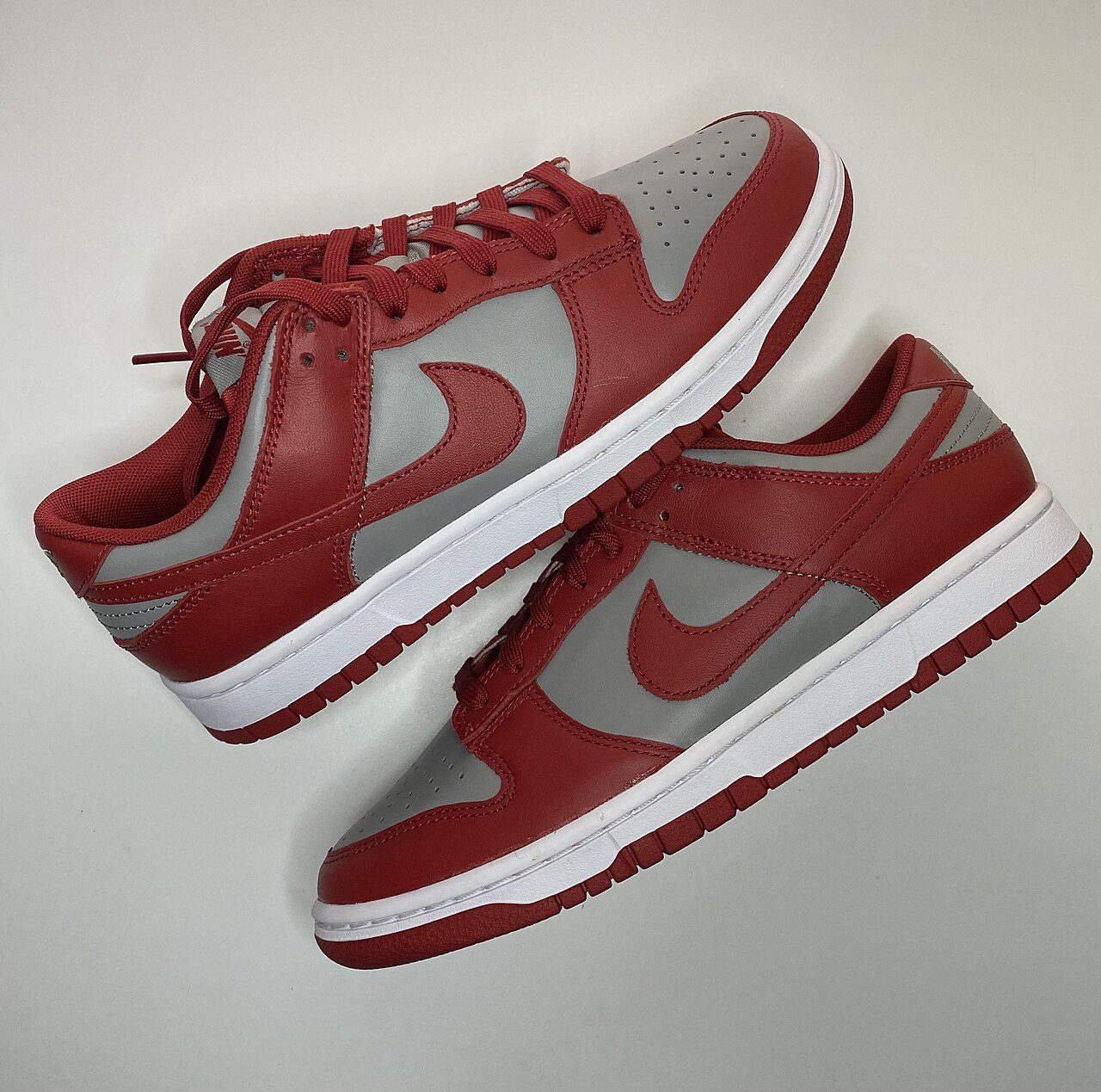
At a Glance
- Founded
- 25 January 1964, as Blue Ribbon Sports, by Bill Bowerman and Phil Knight, each contributing $500
- First business
- United States distributor of Onitsuka Tiger running shoes from Japan (the company now known as Asics)
- The name
- Nike, after the Greek goddess of victory, adopted in 1971 when the company split with Onitsuka; first employee Jeff Johnson is credited with suggesting it
- The Swoosh
- Designed in 1971 by Portland State University student Carolyn Davidson for $35; Knight later gave her 500 shares of stock
- The breakthrough shoe
- Bowerman's Waffle Trainer of 1974, named for the waffle-iron mould behind its studded sole
- Headquarters
- Near Beaverton, Oregon; the world headquarters campus was dedicated in October 1990
- The defining deal
- Rookie Michael Jordan signed in 1984 on a five-year, $2.5 million contract, according to Britannica
Introduction
Britannica describes Nike as one of the largest and best-recognised global sports and athleticwear brands, with lines running from Air Jordan and Air Force 1 to the Converse shoes it acquired in 2003. Its headquarters stand near Beaverton, Oregon, a long way, in every sense, from the car boot and track-meet stalls from which its founders first sold shoes.
Nike's history falls into three acts. It began as an importer, bringing Japanese running shoes to American athletes who had been served mainly by German makers. It then became a manufacturer with a name, a logo and one great shoe design of its own. Finally, through athlete endorsements and advertising, it became a cultural symbol as much as a shoemaker - and drew the controversies that come with both global factories and global fame.
Origins: A Coach, a Runner and Japanese Shoes
Phil Knight had run track at the University of Oregon under coach Bill Bowerman, and the idea that became Nike began with his conviction that Japanese shoes could challenge the German products then dominating the American market. In 1962, after completing his business studies, Knight toured the Onitsuka factory in Japan, as Britannica records, and was impressed by the firm's quality and speedy production. The trip produced a deal to distribute the Onitsuka Tiger, the company's signature shoe, in the United States.
On 25 January 1964 Knight and Bowerman formed Blue Ribbon Sports in Oregon, each putting in $500. Bowerman brought something no ordinary distributor had: a coach's obsession with improving his athletes' shoes, and a workshop habit of modifying them himself. The partnership sold 1,300 pairs of Japanese running shoes in its first year, largely at track meets, and in 1967 the two men created the Tiger Cortez, their own version of the Onitsuka Tiger - an early sign that distributing other people's designs would not content them for long.
Becoming Nike: A Goddess, a Swoosh and a Waffle Iron
In 1971 Blue Ribbon Sports split with Onitsuka, and the partners renamed the firm Nike, after the Greek goddess of victory. The new brand needed a mark. Carolyn Davidson, a design student at Portland State University, where Knight was teaching accounting, produced the curved check that became known as the Swoosh, and invoiced the company $35 for her work. Nike's own history of the logo records that the stripe was rushed to a factory in Mexico so that the first Nike-branded shoe, a football boot, could be produced.
The young company's own product breakthrough came from Bowerman's tinkering. Seeking grip on new artificial tracks without metal spikes, he experimented, by the company's much-retold account, by pouring urethane into a waffle iron. The result was a sole of short, multi-sided studs: Bowerman received a United States patent for it in February 1974, and the Waffle Trainer launched that year turned the experiment into the shoe that put Nike in front of American runners.
Growth: Going Public, Air Jordan and Just Do It
Nike went public in 1980, but Britannica records that it struggled until 1984, when it spent its entire marketing budget to sign the basketball rookie Michael Jordan. The five-year, $2.5 million contract promoted the Air Jordan, a black-and-red shoe first sold at $65 a pair; within two months of its release Nike had sold $70 million worth of Air Jordans, and in 1997 the Jordan line became a division of its own. Britannica's judgement is that the contract changed how brands sign athletes and how brands market themselves.
The marketing widened beyond athletes. In 1987 Nike used the Beatles song Revolution to promote its Air shoes, the first time the band's music had been used in advertising, and in 1988 it launched the slogan Just Do It. From the late 1980s the company diversified beyond footwear into apparel and equipment, opened its NikeTown stores in 1990, and acquired Converse in 2003, while its world headquarters campus near Beaverton, dedicated in October 1990, gathered a workforce previously scattered across the region.
Factories, Protest and Reform
Growth rested on contract factories overseas, and in the 1990s that model brought the company's defining controversy. Britannica records that Nike faced criticism over poor working conditions and low pay for workers in its Indonesian factories; it responded by creating factory codes of conduct, and, after a wave of protests, raised worker minimum ages and adopted United States clean-air standards in its non-United States factories. The company continued to address concerns about labour issues in its overseas factories through the 2000s. The episode made Nike the standard case study in debates about global supply chains, a place it has never entirely left.
Timeline
- 1962
Phil Knight tours the Onitsuka factory in Japan and agrees to distribute its Tiger running shoes in the United States.
- 25 January 1964
Knight and his former coach Bill Bowerman form Blue Ribbon Sports in Oregon, each contributing $500.
- 1967
Blue Ribbon creates the Tiger Cortez, its own version of the Onitsuka Tiger shoe.
- 1971
The company splits with Onitsuka, takes the name Nike, and adopts Carolyn Davidson's Swoosh, designed for $35.
- 1974
Bowerman's waffle sole is patented in February, and the Waffle Trainer launches.
- 1980
Nike goes public.
- 1984
Nike signs rookie Michael Jordan to a five-year, $2.5 million endorsement contract.
- 1988
The Just Do It slogan is launched.
- October 1990
Nike dedicates its world headquarters campus near Beaverton, Oregon.
- 1997
The Jordan brand becomes a division of its own within Nike.
- 2003
Nike acquires Converse.
- 2018
The Colin Kaepernick campaign marks 30 years of Just Do It and divides opinion, proving popular with younger customers, Britannica records.
Significance
Nike's significance is the fusion of product and promotion. The waffle sole was a genuine technical advance from a coach's workshop; the Jordan contract then showed that an athlete's name could carry a product line, and eventually a whole division, in a way no shoe company had achieved before. Britannica notes that the original Air Jordans are considered a foundation of sneaker culture, in which shoes became style, history, community and collectibles at once. Nike did not invent endorsement or advertising, but it joined them to performance footwear at a scale that reset the expectations of the whole sports industry.
Myths and disputes
Did the Swoosh really cost only $35? The invoice was real, but the story as usually told is incomplete. Britannica records that Davidson charged $35 for the logo in 1971 - and that Knight eventually gave her 500 shares of stock in 1983, after the company had gone public. The $35 fee is a fact; the implication that it was all she ever received is not.
Was Nike Knight's chosen name? No. Knight's preferred name for the new brand was Dimension Six; Nike was suggested by Jeff Johnson, the company's first employee, and the partners settled on the goddess of victory instead. Even the famous story of the NBA banning Jordan's shoes needs its source attached: Britannica records that the league banned the shoes and fined Jordan $5,000 each time he wore them, that Nike paid the fines, and that its advertisements turned the ban into the campaign line that the NBA could not stop you from wearing them. The ban's greatest effect, undisputed by anyone, was as advertising.
Legacy
Nike's legacy is a template other brands still follow: design in one country, manufacture through contractors abroad, and build value through athletes, stories and a mark recognised without words. Since 2020 the company has been led by president and chief executive John Donahoe, Britannica records, with cofounder Phil Knight remaining as chair emeritus. The firm that began with two $500 contributions and a carload of imported shoes now lends its founders' names to its own campus buildings - Bowerman Drive runs through the headquarters of a company that started by selling somebody else's shoes at track meets.
Sources
- Encyclopaedia Britannica - Nike, Inc.
- Nike, Inc. - The Nike Swoosh Logo: From Humble Beginnings to Global Icon
- Nike, Inc. - The Definitive History of Nike's World Campus
- Smithsonian Institution - Nike, Inc. World Headquarters, Archives of American Gardens
The facts on this page were checked against these sources on 19 November 2026. The History Trail's permanent pages are researched and written for this site; the live profiles elsewhere on The History Trail are assembled automatically from Wikipedia and Wikidata.
About the Author
Researched and written by the The History Trail Editorial Team — the accountable editorial function behind this site's permanent story pages. The team works from the published sources cited on each page; it does not invent historians, reviewers or credentials, and it corrects errors openly.
Fact Check
Every load-bearing fact on this page traces to one of the sources listed above, and significant claims link to their source in the text. Our checking method is described on the methodology page; errors can be reported via the corrections page.
Sources & Citations
Cite this page as: The History Trail Editorial Team, The History Trail — this article's title, publication and update dates are shown beneath its headline. The full source list appears under Sources above; the site's source standards are on the sources page.