
On This Day
April 22 in History
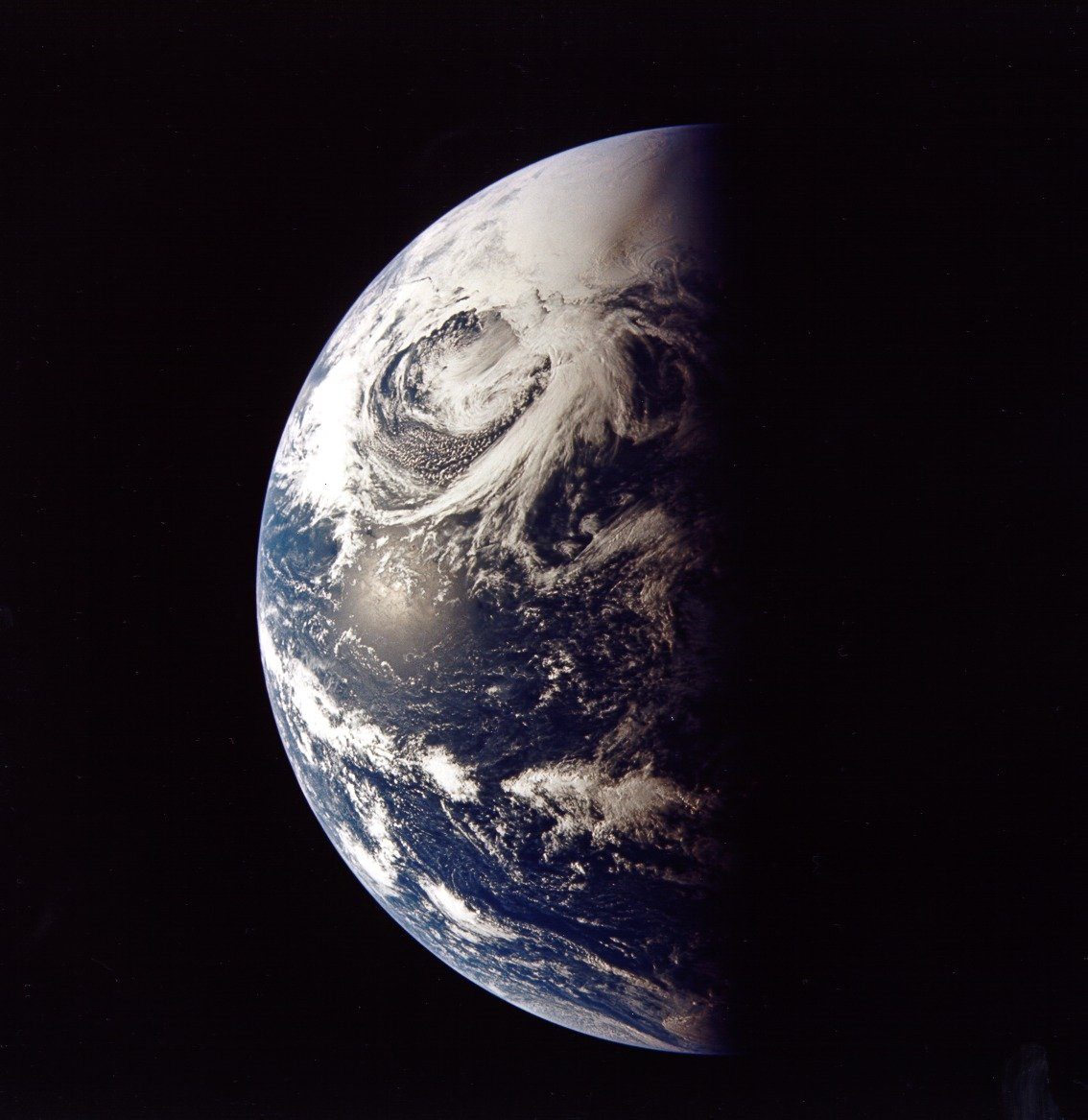
On 22 April 1970, an estimated 20 million Americans — one in ten of the population — took part in teach-ins, rallies and clean-ups for the first Earth Day, the largest single-day protest in American history and the moment the modern environmental movement entered national politics. April 22 is also the day of the first National League baseball game, the Oklahoma land rush and the first great chlorine gas attack at Ypres.
Choose another date: open the On This Day calendar to browse events, births and deaths for any day of the year.
At a Glance
- The founder
- Senator Gaylord Nelson of Wisconsin, who proposed a national environmental teach-in in September 1969
- The organiser
- Denis Hayes, a 25-year-old former Stanford student-body president, as national coordinator
- The turnout
- An estimated 20 million people, with some 2,000 colleges and 10,000 schools taking part (NOAA)
- The model
- The campus teach-ins of the anti-war movement, turned to pollution, pesticides and vanishing wilderness
- The harvest
- Within three years: the Environmental Protection Agency (December 1970), the modern Clean Air Act and the Clean Water Act
- The legacy
- Earth Day went global in 1990 and is now marked in more than 190 countries
Events on this day
- 1073Gregory VII is elected pope; his struggle with Emperor Henry IV will define the medieval contest between church and state.
- 1500Pedro Álvares Cabral's Portuguese fleet reaches the coast of Brazil, claiming the land for Portugal.
- 1876The Boston Red Caps beat the Philadelphia Athletics 6–5 in the first game played in baseball's National League.
- 1889At noon the Oklahoma land rush begins: thousands of settlers race to claim plots in nearly two million acres of newly opened territory.
- 1915Germany releases more than 150 tons of chlorine gas against Allied lines at Ypres, Belgium, opening the Second Battle of Ypres — the first major poison gas attack of the First World War.
- 1945In his Berlin bunker, Adolf Hitler is told no counter-attack is coming and admits to his staff that the war is lost.
- 1954The Army–McCarthy hearings open in Washington; televised for weeks, they expose Senator Joseph McCarthy's bullying to the nation and begin his fall.
- 1970The first Earth Day is celebrated across the United States by an estimated 20 million people — the featured story above.
- 1978The Blues Brothers — Dan Aykroyd and John Belushi in dark suits and sunglasses — make their debut on Saturday Night Live.
- 1983The German magazine Stern announces the discovery of the Hitler diaries; within weeks the 60 volumes are exposed as forgeries.
- 1992Petrol leaking into Guadalajara's sewers explodes across the Mexican city, killing more than 200 people and damaging a thousand buildings.
Born on this day
- 1724Immanuel Kant — German philosopher of the Critique of Pure Reason, who reshaped modern thought from his home city of Königsberg.
- 1870Vladimir Lenin — founder of the Bolsheviks and leader of Russia's October Revolution, architect of the Soviet state.
- 1904J. Robert Oppenheimer — American physicist who directed the Los Alamos laboratory that built the first atomic bomb.
- 1937Jack Nicholson — American actor of Chinatown and One Flew Over the Cuckoo's Nest, among the most honoured performers in film history.
Died on this day
- 1616Miguel de Cervantes — Spanish author of Don Quixote, the foundational novel of Western literature, dead in Madrid at about 68.
- 1994Richard Nixon — 37th president of the United States, who resigned over Watergate in 1974, dead at 81 four days after a stroke.
- 2004Pat Tillman — American football player who left the NFL to enlist after 9/11, killed by friendly fire in Afghanistan at 27.
The featured story: the first Earth Day, 22 April 1970
By 1969 the evidence was on America's front pages: the Cuyahoga River in Cleveland had caught fire, an oil blowout off Santa Barbara had blackened California's beaches, and Rachel Carson's Silent Spring had taught readers to fear what pesticides were doing to birds and people. Senator Gaylord Nelson of Wisconsin, a conservationist frustrated that Washington treated the environment as a second-tier issue, watched student teach-ins mobilise a generation against the Vietnam War and asked why the same energy could not be aimed at the planet. In September 1969, in Seattle, he announced a nationwide environmental teach-in for the following spring.
Nelson built the thing to organise itself. A small non-partisan staff under national coordinator Denis Hayes, then 25, supplied the date, the name and the publicity — including a full-page New York Times advertisement — and left campuses and communities to invent their own events. The response astonished even its organisers. On Wednesday 22 April 1970, an estimated 20 million Americans, roughly a tenth of the population, turned out: some 2,000 colleges and universities and 10,000 schools held teach-ins, New York closed Fifth Avenue and filled Union Square, and in city after city the crowds were too large for the halls booked to hold them. Britannica calls it the largest single-day protest in American history.
What made Earth Day different from a demonstration was what it left behind. The turnout proved to politicians of both parties that environmental voters existed in millions, and the Nixon administration and Congress spent the next three years building the legal architecture of modern environmentalism: the Environmental Protection Agency opened in December 1970, the Clean Air Act was radically strengthened the same year, the Clean Water Act followed in 1972 and the Endangered Species Act in 1973. Nelson himself always insisted the day had organised itself; the laws, he argued, were simply Washington catching up with the crowd.
Earth Day went worldwide in 1990, mobilising some 200 million people in 141 countries, and is now marked in more than 190. Its teach-in DNA survives in every climate march since. The first Earth Day also fixed a pattern April 22 still shows: a date ordinary enough to host a baseball game in 1876 and a land rush in 1889 became, in 1970, the one day a year on which the whole species is asked to think about the ground under all the others.
Why this date matters
April 22 holds the modern world's two ways of taking land. In 1889 settlers raced at noon to stake claims in Oklahoma; in 1500 Cabral claimed a continent for Portugal. Against those takings stands 1970, when twenty million people turned out not to claim the Earth but to answer for it — and the date has belonged to the planet ever since. Even its quieter entries argue the same case: the gas cloud at Ypres in 1915 and the forged diaries of 1983 are reminders of what organised crowds, and organised lies, can do.
Sources
- Encyclopaedia Britannica — On This Day: April 22
- HISTORY — What Happened on April 22
- U.S. Environmental Protection Agency — The Spirit of the First Earth Day
- NOAA — When Was the First Earth Day?
The facts on this page were checked against these sources on 19 November 2026. The History Trail's permanent pages are researched and written for this site; the live profiles elsewhere on The History Trail are assembled automatically from Wikipedia and Wikidata.
About the Author
Researched and written by the The History Trail Editorial Team — the accountable editorial function behind this site's permanent story pages. The team works from the published sources cited on each page; it does not invent historians, reviewers or credentials, and it corrects errors openly.
Fact Check
Every load-bearing fact on this page traces to one of the sources listed above, and significant claims link to their source in the text. Our checking method is described on the methodology page; errors can be reported via the corrections page.
Sources & Citations
Cite this page as: The History Trail Editorial Team, The History Trail — this article's title, publication and update dates are shown beneath its headline. The full source list appears under Sources above; the site's source standards are on the sources page.