
Things
Pound sterling
No currency in use today is older than the pound. Its name preserves its origin — a pound's weight of silver pennies called sterlings — and its history runs unbroken from Anglo-Saxon mints through the founding of the Bank of England in 1694 to the polymer notes and the portrait of King Charles III.
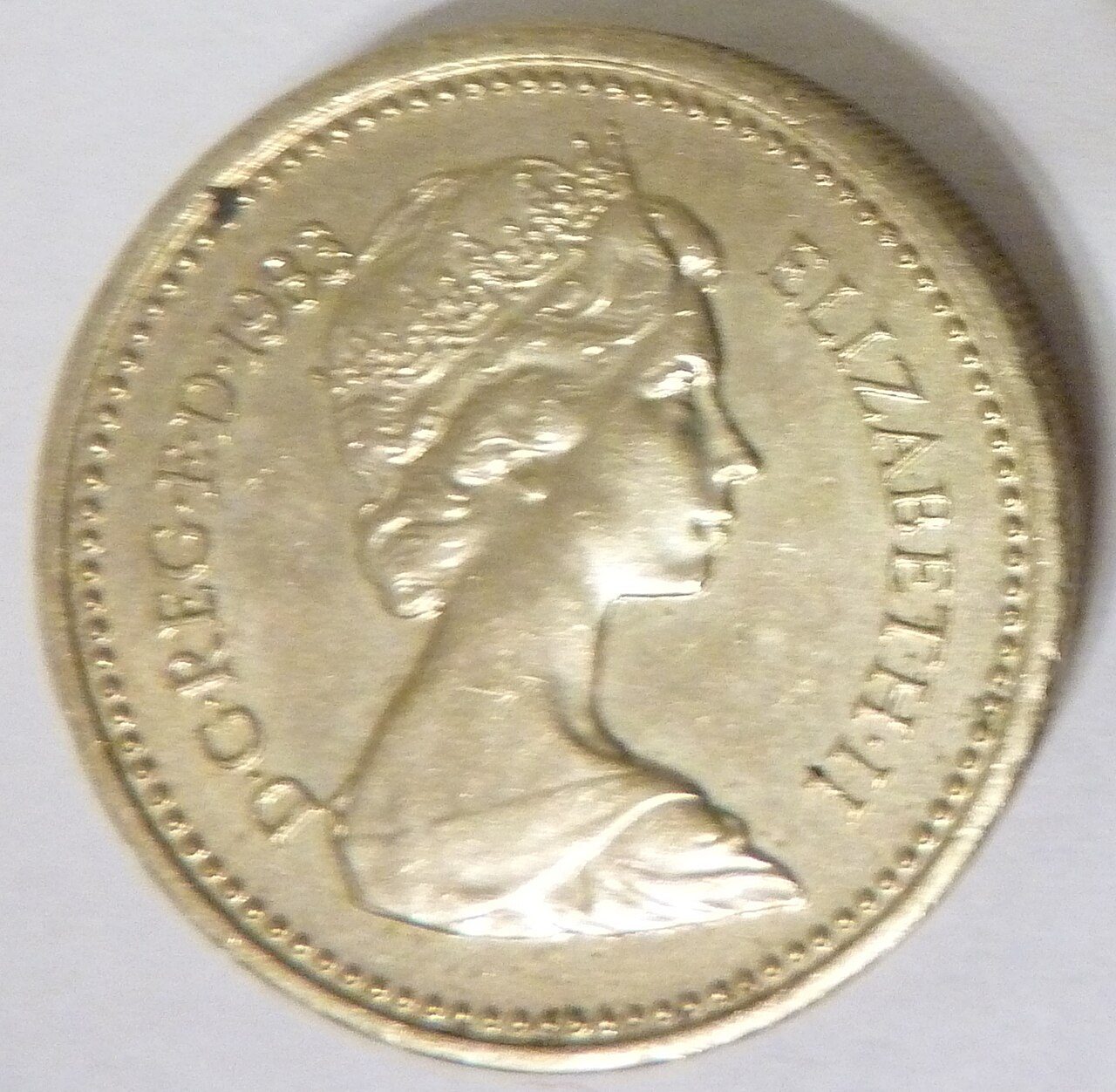
At a Glance
- In use since
- Anglo-Saxon England, over 1,200 years
- Country
- United Kingdom
- ISO code
- GBP
- Symbol
- £, from the Latin libra
- Issued by
- Bank of England (founded 1694)
- Subdivision
- 100 pence (since Decimal Day, 15 February 1971)
- Distinction
- World's oldest currency in continuous use
Introduction
The pound sterling began as a weight before it was a coin. In Anglo-Saxon England, silver pennies known as sterlings circulated from around the eighth century, and 240 of them made a pound of silver — which is what 'pound sterling' originally meant: a pound, by weight, of sterling pennies. Under King Athelstan in 928 the coinage was organised as a national system, and the pound has been in continuous use ever since — longer than any other currency on earth.
For most of that history the pound was a unit of account rather than a single object: twenty shillings, each of twelve pence, made the 240-penny pound that Britons calculated in until living memory. Its symbol, £, descends from the letter L for libra, the Latin pound. Silver gave way slowly to gold — from 1717 sterling's value was defined in gold, and through the nineteenth century the pound anchored the international gold standard and the finances of an empire, the world's dominant reserve currency before the dollar displaced it.
Background
The modern pound is inseparable from the Bank of England. Founded in 1694 to finance war with France, the Bank began issuing 'running cash notes' — handwritten promises to pay the bearer in gold — which grew into the modern banknote. Early notes were part-printed and completed by hand, in whatever amount a depositor required; standard printed denominations, including the £20 and £50, arrived in 1725, and elaborate printed 'sum blocks' followed in 1743 to frustrate anyone tempted to alter a note's value.
The Bank's grip tightened over time. The Bank Charter Act of 1844 formalised note issuance in the United Kingdom around the Bank, and in 1946 it was nationalised. Through the French Revolutionary and Napoleonic wars the Bank had suspended gold payments from 1797 to 1821 and issued its first £5 notes to cover the shortage of coin; in 1914 the Treasury itself issued small notes as gold coin vanished again. Britain finally left gold for good in September 1931, and from then on the pound's value rested on policy rather than metal.
Timeline
- c. 775
Silver pennies — sterlings — circulate in Anglo-Saxon kingdoms; 240 of them weigh out to the pound of silver that gives the currency its name.
- 928
King Athelstan organises England's mints into a unified national coinage, making sterling a kingdom-wide currency.
- 1694
The Bank of England is founded and begins issuing handwritten 'running cash notes', the forerunners of its banknotes.
- 1743
Printed sum blocks appear on Bank of England notes, making it harder to alter a note's denomination.
- 1797–1821
During the wars with France, gold payments are suspended and low-denomination notes are issued to cover the shortage of coin.
- 1844
The Bank Charter Act formalises and centralises the issuance of banknotes in the United Kingdom.
- 21 September 1931
Britain suspends the gold standard for good, ending the pound's direct link to gold bullion.
- 17 March 1960
Queen Elizabeth II becomes the first monarch to appear on a Bank of England banknote.
- 15 February 1971
Decimal Day: the pound is divided into 100 new pence, replacing 20 shillings and 240 old pence.
- 13 September 2016
The Bank of England issues its first polymer banknote, a £5 note featuring Winston Churchill.
- 5 June 2024
Banknotes bearing the portrait of King Charles III enter circulation — the first change of monarch on the Bank's notes.
Significance
Sterling's significance is the standard it set. The Bank of England, built around the pound, became the working model of a central bank — issuer of notes, banker to the government, guardian of the currency — that other nations copied. Under the gold standard, the pound was the currency in which the nineteenth-century world kept its reserves and wrote its contracts; its long reign is why London remained a financial capital long after Britain's share of world trade shrank.
The pound also demonstrates how a currency survives by changing everything except its name. It has been silver, then gold, then paper promises, then pure fiat; it has been divided into 240 pence and into 100; its notes have been handwritten, printed, and finally polymer. Through the 1949 devaluation, the 1976 sterling crisis and Black Wednesday in 1992, the unit itself never broke — no redenomination, no replacement, no new name.
Legacy
Sterling today is the fourth member of the IMF's reserve basket and one of the most traded currencies in the world, a position out of proportion to the size of the modern British economy — a inheritance of the centuries when the pound was money's default setting. Its banknotes remain a small national portrait gallery: Churchill on the £5, Jane Austen on the £10, J. M. W. Turner on the £20 and Alan Turing on the £50.
Above all, the pound is proof that money is a memory institution. A currency that began as a weighed pound of silver pennies still answers to the same name in the age of contactless payment, and every 'quid' spent in Britain spends a word of Anglo-Saxon silver with it. Twelve centuries of unbroken use is a record no younger currency can buy — it can only be inherited.
Sources
- Bank of England — Early banknotes (Museum online collections)
- Bank of England — Our history
- Bank of England — Balancing security and aesthetics: the evolution of modern banknote design (speech, 2011)
- Encyclopaedia Britannica — Currencies: pound sterling entry
The facts on this page were checked against these sources on 19 November 2026. The History Trail's permanent pages are researched and written for this site; the live profiles elsewhere on The History Trail are assembled automatically from Wikipedia and Wikidata.
About the Author
Researched and written by the The History Trail Editorial Team — the accountable editorial function behind this site's permanent story pages. The team works from the published sources cited on each page; it does not invent historians, reviewers or credentials, and it corrects errors openly.
Fact Check
Every load-bearing fact on this page traces to one of the sources listed above, and significant claims link to their source in the text. Our checking method is described on the methodology page; errors can be reported via the corrections page.
Sources & Citations
Cite this page as: The History Trail Editorial Team, The History Trail — this article's title, publication and update dates are shown beneath its headline. The full source list appears under Sources above; the site's source standards are on the sources page.